

Eat the frog
Parting ways with someone: how to approach one of the worst parts of being a founder.

👋 to the 12 new founders who subscribed this week! If you were forwarded this, join 217 founders on this weekly journey with us:
This one’s heavy, but every founder will likely have to go through it.
Letting someone go is my least favorite part of the job. It always sucks. I’ve done it at a few companies, and I still feel the weight of it each time. I hope I never get numb to it because it’s deeply impacting someone’s life and needs to be taken seriously.
Here’s how I handle it today, based only on my own experience.
Why it’s hard, but important
We keep a high bar at Clarify because our teammates expect to work with and learn from the best. So when we’re vetting a new hire, we’re looking for someone who’s going to raise the bar of the team. They share their expertise, are open to learning from others, and always bring their best selves.
But sometimes that doesn’t work out. When a hire isn’t succeeding, the failure is often two-fold: we may have hired wrong, or we may not have set the person up for success. Either way, founders should own it.
But leaving someone in a role where they aren’t succeeding helps no one. They don’t grow, and the team starts to wonder if we’re okay with average work. If I do nothing, I’m sending a message that this high bar we’ve set doesn’t actually matter.
My job is to inspire and set context, not micromanage. I give people rope to make decisions and miss sometimes—the question is whether they’re more often right than wrong, and whether their judgment improves over time. But when I see a pattern of weak calls, I have to act.
What I try before parting ways
When I see a hire struggling, two things are essential:
Set clear goals with specific timelines for what “good” looks like.
Give direct feedback, plus support and scope adjustments if that could help.
I’ll give more leeway to someone earlier in their career. But if it’s a senior person with 10+ years of experience, and the basics still aren’t landing after clear goals and support, there’s only so much coaching that changes things in a startup environment.
The best fix is prevention. Before we hire for any role now, I align the team on responsibilities, what good looks like, and how we’ll evaluate performance. Clear expectations up front make the hard conversations easier, or unnecessary.
When it’s time to part ways (and how I handle it)
I know it’s time when the pattern is undeniable: clear direction doesn’t change outcomes, the person needs step-by-step guidance for core work, peers raise the same concerns I’m seeing, and the gap between their output and our bar stays wide.
I also know myself. When I find myself wanting to spend less time with someone, my gut is telling me something.
When the moment itself comes, I keep the conversation direct and respectful. I’m clear about what wasn’t working and what we tried. I share the impact on the team and outcomes. No theatrics, no surprises.
That means by the time we have the final conversation, it shouldn’t feel like a shock. I’ve tried to have many direct conversations leading up to it—feedback in writing, clear documentation of what wasn’t landing. That protects everyone.
One approach that’s worked: when it’s clear things aren’t working, give the person a choice—a PIP with specific goals and a timeline, or a clean exit with a severance package. Most people know when it’s not working too. Giving them agency in that moment is more humane, and it usually leads to a cleaner outcome for both sides.
On packages: be consistent. Tie it to tenure or set a flat standard—whatever it is, apply it the same way every time. Cover at least a month of COBRA so they’re not left without health insurance. It’s the right thing to do and it reduces risk.
The worst mistake is waiting too long. I’ve made it. People told me it wasn’t working, and I still held off, hoping things would turn around. That delay cost us months and sent the wrong message to the team: that maybe our standards were negotiable after all. It also might set a dangerous precedent—other hiring managers on the team could see it and learn that delaying those conversations is acceptable.
What the team needs to hear
Silence breeds stories.
I don’t share private details, but I am transparent about the basics: we set goals, tried specific changes, and it didn’t land. This is about the role and outcomes, not personal character. I explain how we’ll cover the work and what changes now. Done well, the team sees we take the bar seriously and handle hard things with empathy.
Hiring better next time (and what I’m still learning)
I’ve tightened references. Skipping them is a mistake. Now I ask past peers and managers how someone works, what they value, how they handle conflict, and whether they put the organization first.
One thing I underestimated: we didn’t have shared alignment on our values as a team. That made everything harder. Without a clear foundation, it’s easy for standards to feel arbitrary rather than principled. We’ve since revisited and rebuilt that, and it’s made these conversations easier to have and easier to defend.
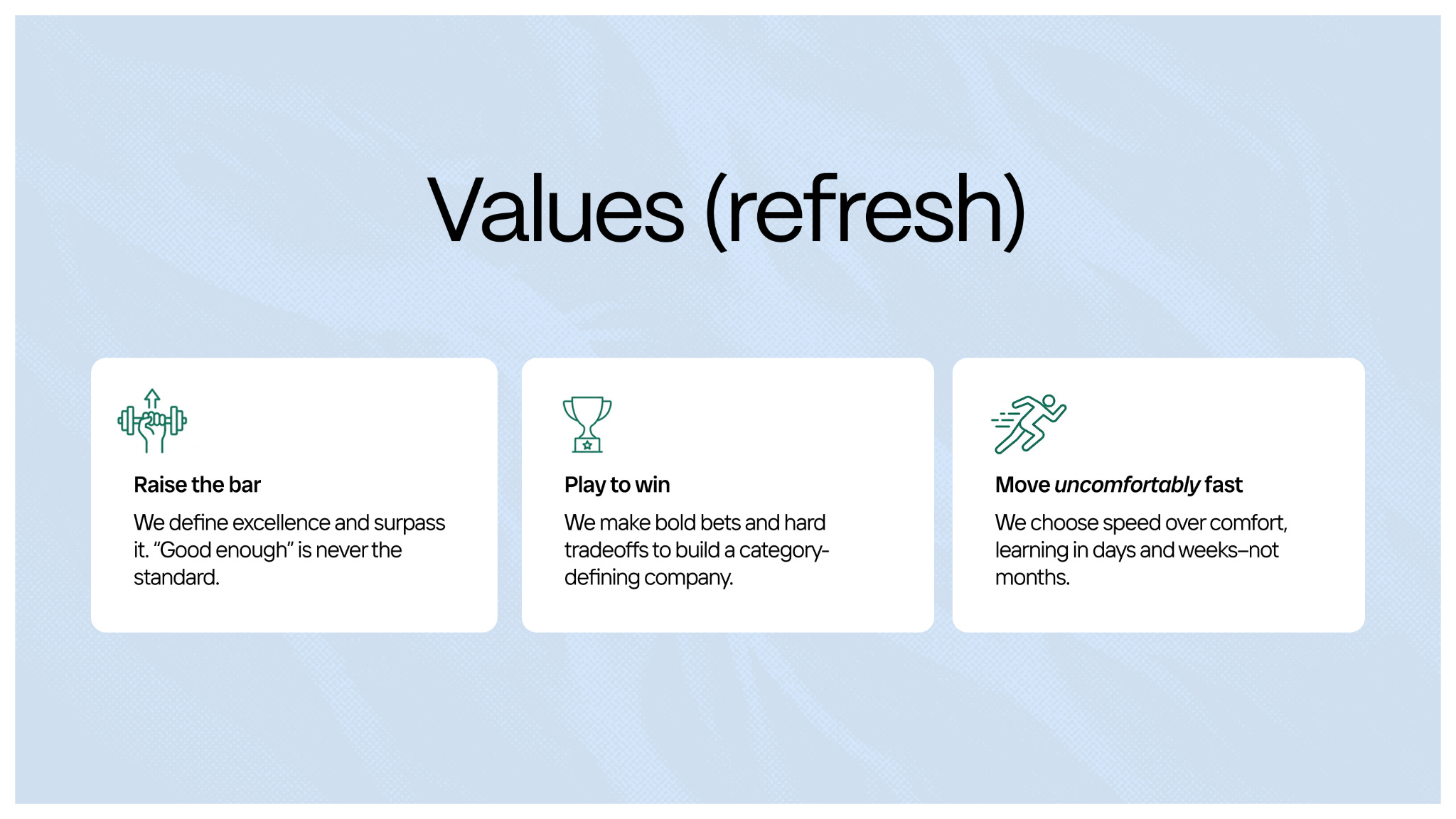
I also watch the first two to three weeks closely. You can usually tell if someone is lifting the bar or lowering it. Work trials have helped in the past, but they’re not a cure-all. The bigger lever is alignment up front on the role and standards.
After a departure, we now do a quick retrospective as a team: what did we miss in the interview process, what questions should we have asked, what signals did we overlook? It’s not about blame—it’s about getting sharper. Some of our best hiring questions came out of these conversations.
I’m still finding the right balance between pushing and supporting. I hold myself to a high standard and naturally hold the team to it too. That’s unfair if I don’t give enough context first. So I’m more deliberate now about setting people up before I evaluate them.
Letting someone go is hard. But doing it with empathy, after genuine attempts to make it work, and with clarity for the team—that’s the job. The alternative is worse: a team that stops believing the standards matter, and a person stuck in a role where they can’t win.
As Mark Twain said: “Eat a live frog first thing in the morning and nothing worse will happen to you the rest of the day.”
This is a tricky subject for all founders. Would love to read your thoughts in the comments.
Until next week,
Patrick
Additional reads
The best approach to the worst conversation: “you’re fired” - First Round