

The anti-996 playbook
More focused work, less burnout

For many of you, this will be the first post you read from Founder Therapy: a weekly newsletter about the ups, downs, and in-betweens of startup life. For more about the ethos of the publication, head here, and you can subscribe via the button below.
Thanks for being here. Let’s dive in.
996 is working six days a week, from 9 AM to 9 PM.
It’s taken the US tech scene by storm. Read LinkedIn, and it makes you think it’s the only way for startups to be successful.
I call bullshit on that.
I think it’s a race to the bottom.
It’s framed to get the most out of your workers (both in time and output). But if you’re thinking of using 996 as a strategy, you don’t have a plan, you have a stopwatch.
Because, past a certain point, more hours = worse work.
Keeping a steady pace
Hard work should come in spikes, not as a constant. Use the extra push for launches, incidents, and migrations.
Teams need room to think, build, evaluate, and iterate. They need time to rest their brains and do their work well. The focus should be on the outcomes, not the hours logged.
For example, I care a lot more about seeing movement in our product’s adoption, time to value, retention, and revenue metrics than seeing that our engineers were working on a Saturday.
Recovery is part of the system. I think back to when I was an offensive lineman in college and was working out all the time. But even then, there was built-in recovery. Push hard, take a rest, and come back ready to take on the next challenge.
But working with 996 is like living with DOMS (Delayed Onset Muscle Soreness) every day. You’re always sore, never stronger. The gains come from stress and recovery, not just endless strain.
Tired brains ship bugs that erase any perceived gain.

How we keep output high at Clarify
996 math is bad math:
Think in diminishing returns, not hero hours. Past a certain point, each extra hour produces less quality work and introduces more mistakes, and, ultimately, burnout. Beyond a point, more hours mean less innovation, more bugs, and slower recovery.
I’ll take a rested owner doing focused work over a burned-out zombie watching the clock.
Here’s how we make that happen at Clarify:
Ownership over orchestration: We run pods where leads serve as the product owners, taking it from conception to customer impact. This helps engineers better understand and estimate their projects, so they know how to back out their weeks into hitting the estimates..
Cadence that creates urgency: One tier‑one launch per quarter with tier‑two and tier‑three updates monthly. Cadence builds momentum and replaces performative grind.
Meeting diet: Roughly 4–5 hours a week in recurring meetings. The rest is deep work, pairing when useful, and customer time. Fewer meetings force clarity.
Values as a tool: Values evolve as we grow as a company. What worked for us in the beginning may not work now. We will constantly evaluate our values, especially when it comes to hiring, promotions, and product decisions.
True work/life balance: Evenings are respected in your local time, weekends are off unless there’s an incident, one no‑meeting day each week, and real vacations (without checking email or Slack 100x a day).
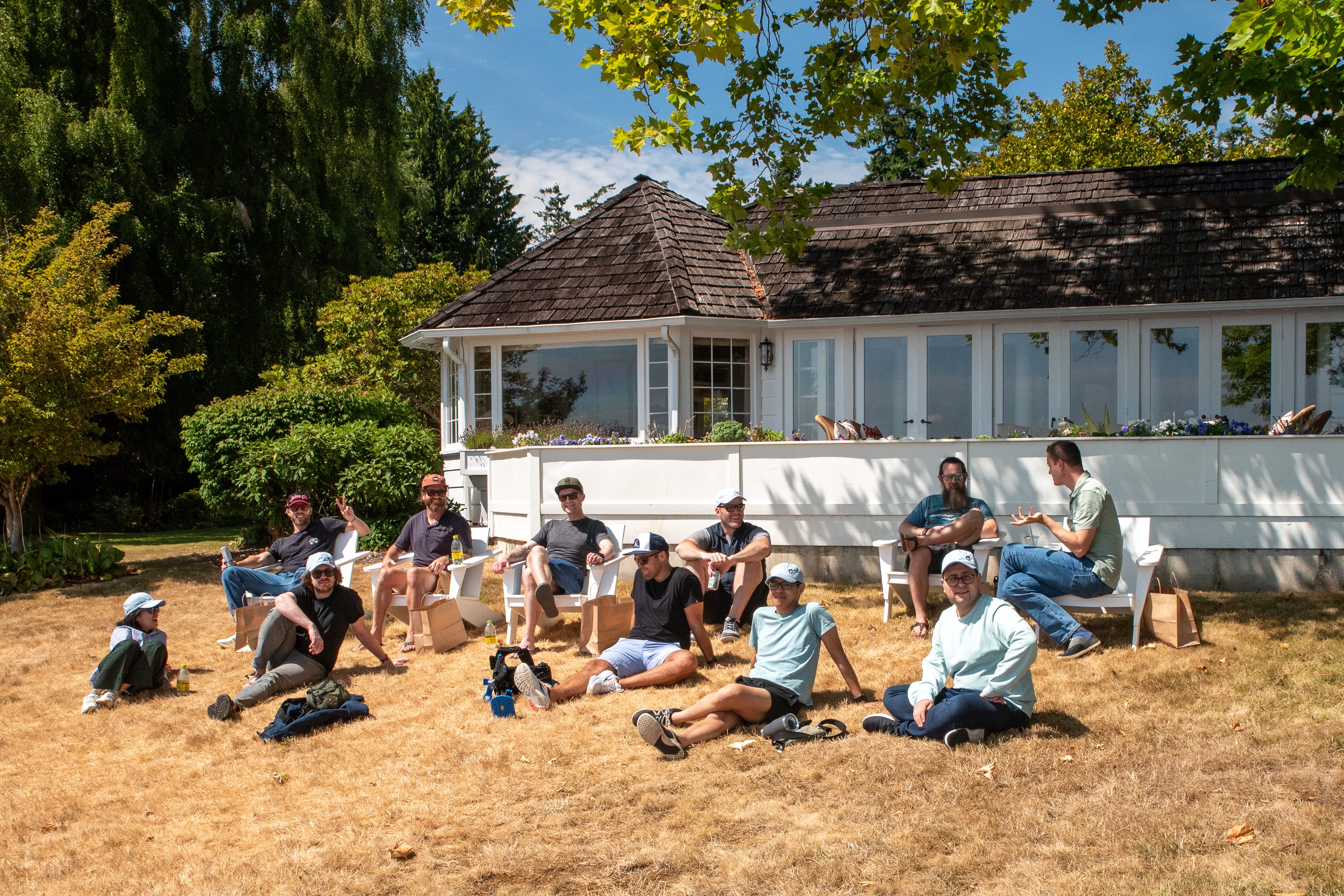
Ship more, burn out less
If you want the output of a 996 team without burning out everyone on your team, build a plan that favors outcomes over hours.
I will never argue against hard work.
But I will always argue against waste, especially when it comes to my employees’ time and well-being.
Until next time,
Patrick
Additional reading on 996
In this publication I’ll try to feature additional voices so you can find more perspectives on these topics:
Wired article: Silicon Valley AI Startups Are Embracing China’s Controversial ‘996’ Work Schedule
Good discussion on LinkedIn prompted by Jess Mah.
Nuanced perspective on it from Tom Hammer from a16z. “…if you think the idea of working 996 is preposterous / “no one actually does that”, it’s possible you’ve just never had a job you truly love, that you feel really matters.
P.S. If this hit, forward it to one founder who’s in the thick of it. I’ll be back next week with a more personal post about balancing startup life with family life.
I like this part a lot "Values evolve as we grow as a company. What worked for us in the beginning may not work now. We will constantly evaluate our values, especially when it comes to hiring, promotions, and product decisions" .
In my world, most companies have values because someone said "you should do it". A tiny minority lives by their values (Behaviors/anti-behaviors). You guys are going one step further by evolving them if/when times comes! Very cool to read this!