

When a founder should let go
How founders know when to step aside, even when the company is doing well.

👋 to the 7 new founders who subscribed in the past week. Forwarded this? Subscribe and join 329 founders getting their weekly dose of Founder Therapy.
I stepped away from a company I co-founded out of college.
I was the technical founder, but I wasn’t the right person for the CTO job at that point. I also wasn’t in a financial position to take the risk. Both things were true, and either one alone would’ve been enough.
Role fit matters more than founders like to admit. So does knowing when to walk.
Brian Halligan did this at HubSpot. The company was moving from scale-up into the enterprise leagues, the job was changing, and he stepped into Executive Chairman so Yamini Rangan could run it as CEO. HubSpot wasn’t struggling. He just wasn’t the right person for the next chapter, and he knew it.
That’s the part most founders miss. The decision isn’t only forced on you when things are bad.
I still believe in giving it everything. I did that at my last company — I was willing to turn myself inside out to make it work. Same with Clarify. Effort matters. It just doesn’t guarantee anything.
Most founder writing is about how to hang on. This is about the other side of that.
Here’s how I think about letting go.
The two things founders run out of
Money is the obvious one. When it dries up, the options narrow fast. You can’t pay people, you can’t keep investing, and the call gets made for you.
Energy is the one founders don’t track. You can have money in the bank and still feel done. Tired, burned out, no drive to carry it forward. Energy hits zero quietly, and most founders don’t notice until they’re months past it.
They’re connected. When either one runs out, you’re forced to make a call.
Founder doesn’t always equal CEO
The job of a founder at an early-stage company isn’t the same as the job of a CEO as that company grows. The scale changes, it requires different skills, and an evolving type of leader. If the role you signed up for isn’t the role the company needs anymore, that’s a signal too. Not a failure. A signal.
Stepping aside when the company is doing well
Some situations have nothing to do with money or burnout, or even role fit.
If you don’t feel like you’re doing your life’s best work, don’t stay. If you don’t feel like you’re adding to the value of the company, don’t stay. Set the company up for the next chapter. Life is short.
I keep coming back to a simple frame: company > team > me.
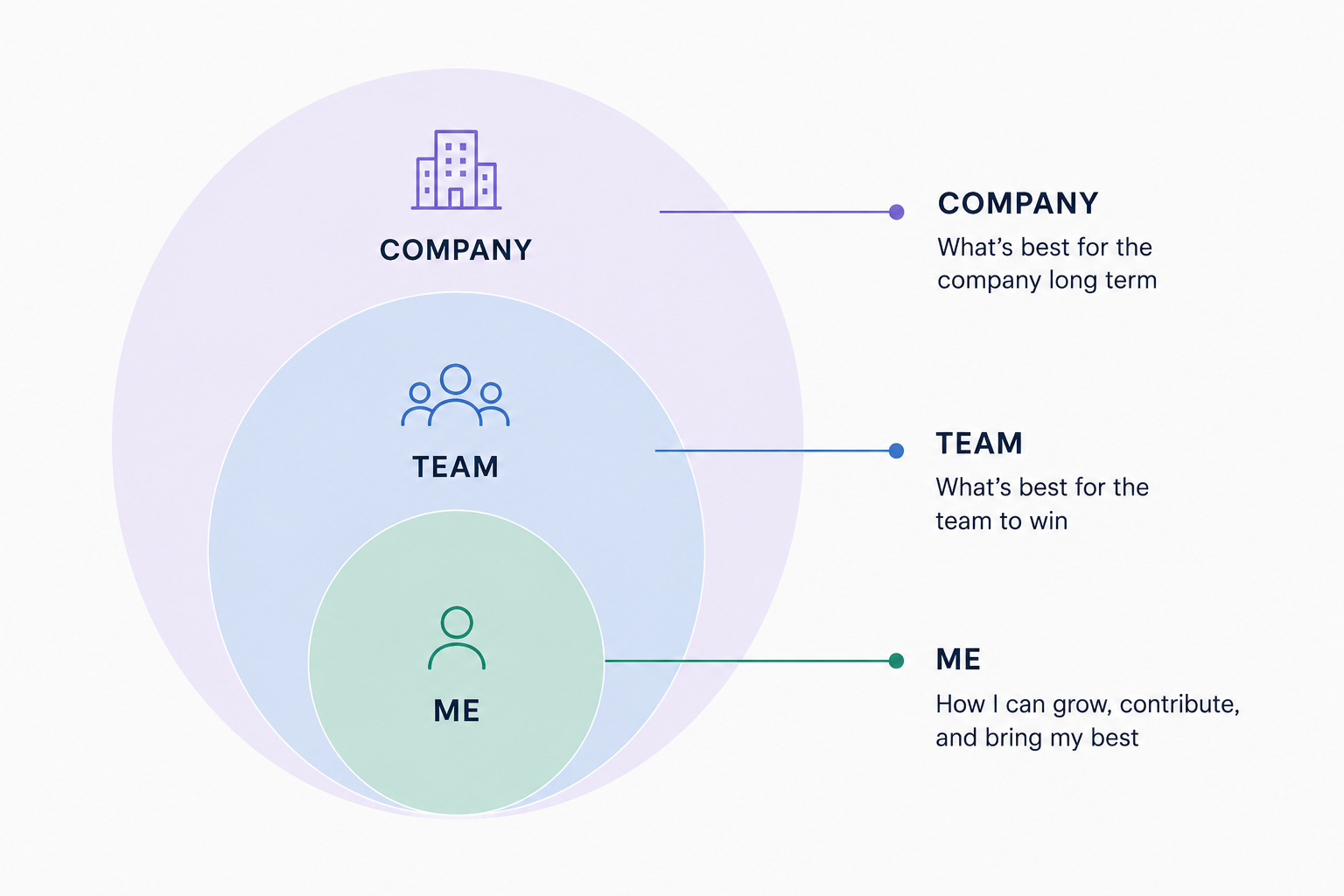
It’s easy to apply that to other people… to spot when someone is putting themselves first. It’s harder to apply to yourself.
But the question is the same: is your presence helping the company, or are you staying in the seat because it’s your seat?
Some founders need help. Some founders need to step aside. The only way to tell the difference is to look at outcomes, team health, and whether the company is actually better with you in the role.
The hard part
Founders shouldn’t romanticize suffering. They also shouldn’t quit the first time it gets hard.
The hard part is telling the difference and paying attention before you waste years.
Until next week,
Patrick
Additional reads:
When should a founder step down? - The Economist